Montabi City Map, Shops, and Event Nodes
Choose routes through Montabi's city—heal, shop, upgrade decks, and path toward elites and X Gang bosses.
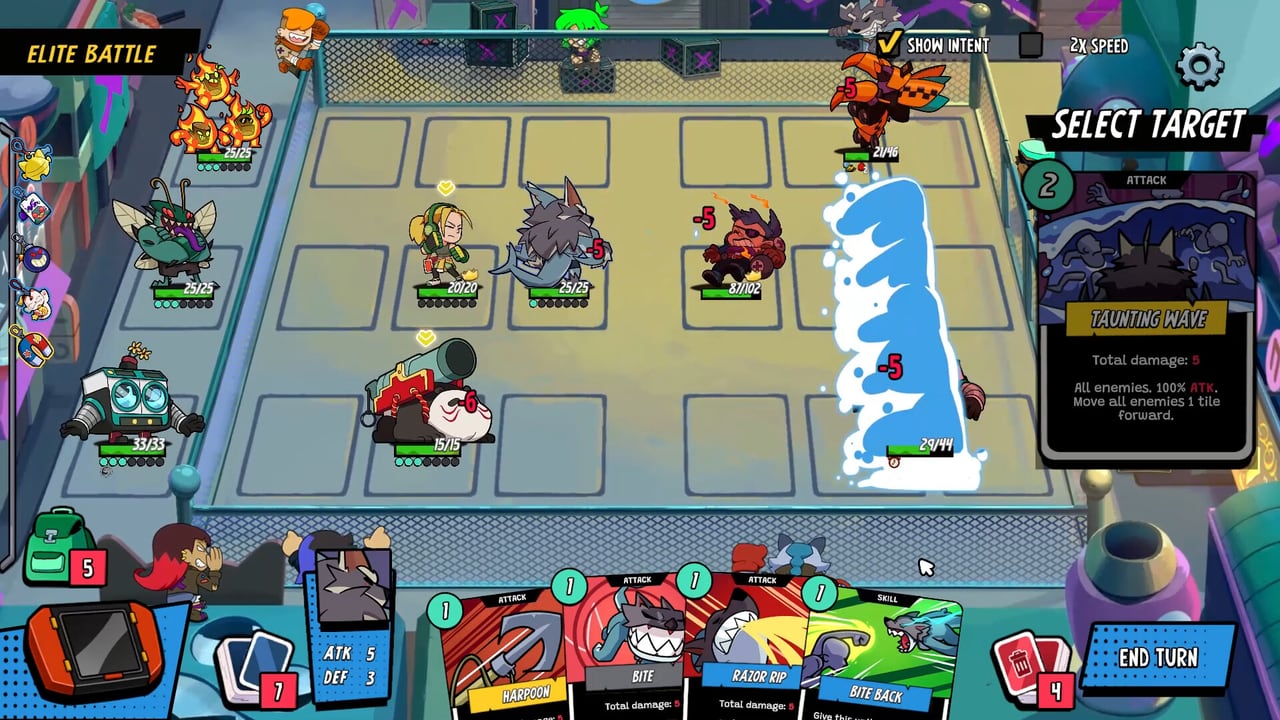
Between battles, Montabi presents a branching city map of nodes. Each node is a choice: fight, shop, heal, gamble on an event, or challenge an Elite or Boss tied to the X Gang. Single-player runs let you pause here and plan—use that time. The combat grid rules from Combat & Positioning do not change, but city choices determine whether you enter the next fight with full Trainer HP, thin decks, and evolved Montabi—or limp in with injuries and empty biscuits.
New players should read Getting Started first. Pair this page with How to Tame Montabi, How to Evolve Montabi, and How to Beat Bosses when deciding which pin to click next.
How routing works
The map shows several reachable nodes from your current location. You pick one, complete it, and advance. Branches may converge later; dead ends are rare but elites can gate progression until you win. You cannot undo a node choice except by finishing the encounter, so look ahead one or two icons when Trainer HP is low.
Paths that chain Cafe —shop —fight beat fight —fight —fight for most Student Trainer runs. Fighter Trainers can sometimes skip a heal for speed; Chef runs may prefer extra shop stops—see Trainers.
Cafe
Cafe nodes restore Trainer HP and sometimes offer minor Montabi recovery or morale-style buffs depending on patch balance. Some prompts let you heal or double-level one character—choose heal when Injury cards or low HP threaten the next elite. Cafes are your primary answer to “I won the fight but lost the run” scenarios where the Trainer is chipped down. Before Elite or Boss pins, a Cafe on the path is high value even if it costs a turn.
Do not skip Cafe because you still have consumables—save items for boss mechanics listed on Items instead of using them as basic healing.
Convenience store
Convenience stores sell staples: healing items, biscuit refills, generic buffs, and occasionally deck-related goods. Prices compete with Vending RNG; stores are predictable, vending is swingy. When biscuits are low before a tame-rich region, prioritize convenience store stock from How to Tame Montabi.
Compare store offers against your Builds plan. A discount on Trainer-only gear matters more for Fighter kits; Montabi-focused items help evolved partners from the evolution guide.
Stickards
Stickards nodes let you add or remove cards—Montabi’s deck thinning and power spikes. After level 5 or 10 evolutions, Stickards remove obsolete low-tier attacks that clog four-card draws. Elite players path toward Stickards before bosses so hands stay consistent.
If you must choose between Stickards and a fight that grants XP, pick Stickards when your decks exceed comfortable size or after evolution changed half your cards.
Vending
Vending machines offer randomized rewards—items, biscuits, stick picks, or oddball bonuses. They are risk-reward nodes: great when the route is stable, dangerous when Trainer HP is already low and the next fight is mandatory. Use Tools to log good vending outcomes for future runs if you like data.
Gotcharm
Gotcharm encounters are special event fights or bargains—often trading HP, gold, or deck stability for power. Read every line of text before accepting. Gotcharm can accelerate a skilled run or end it if you take the deal at half Trainer HP before an X Gang boss.
When Gotcharm offers a Montabi-related reward, cross-check the Tier List before committing; a powered-up low-tier species still falls off late.
Random events
Generic event nodes present story choices: gold versus HP, biscuits versus a curse, or stick picks versus enemy buffs. Events diversify roguelike runs and are where Akupara/Mankibo flavor shines. Default rule: protect Trainer HP and avoid injuries unless the reward is evolution-critical XP or a boss-skip shortcut.
Events that buff the next fight stack well with elites; events that debuff you stack poorly with bosses—see the boss guide checklist.
July 2026 event examples
The July 2026 Devlog highlighted three named events entering test builds before launch—useful examples of how Mankibo diversifies routes beyond shops and fights:
- Chiropractor —a body-themed encounter that trades short-term Trainer HP or Montabi comfort for longer-route stability. Read every choice line; healing events can still kill runs if you accept a debuff before an Elite.
- Captain Croissant —a whimsical stop that mixes combat or bargains with biscuit economy. Strong when you have spare gold and weak when you are already injury-prone from missed revives—see Injuries & Revives.
- Starcade —a reward-gamble or minigame-style node that punishes greedy routing. Enter with healthy Trainer HP and lean decks after Stickards; skip when the next pin is a boss gate.
These sit alongside generic gold-versus-HP events and Gotcharm bargains. They are not guaranteed every run—roguelike variance means you may see them once per route or not at all until later Ascension climbs documented in Ascension.
Elite nodes
Elite fights are tough single battles with better loot and higher mechanical complexity. They appear on the map like normal combat pins but with elite framing. Elites grant three level-ups versus two on normal fights—use them as power spikes when your team is healthy, not when a Montabi is one KO away from Injury cards. Use elites to practice telegraphs before bosses. Losing an elite costs the same as any fight—Trainer death ends the run—so heal first.
Winning elites funds biscuits and stick access; losing them teaches patterns without always ending the run if you survive with Trainer HP intact.
Boss nodes (X Gang)
Boss nodes finish map chapters with X Gang leaders. They are not optional on critical paths. Preparation belongs in How to Beat Bosses: evolution levels, Stickards cleanup, Cafe healing, and AP-aware grid plans.
After bosses, the map often opens a new region with fresh shops and tame opportunities—spend rewards before rushing into the next elite chain.
Sample route philosophies
Safe route: Cafe when below seventy percent Trainer HP —convenience store if biscuits low —Stickards after evolution —elite —boss.
Speed route: skip optional events, fight for XP, vending gamble once, evolve at 5 ASAP—only for players who know telegraphs.
Collector route: tame nodes plus events with biscuit rewards, heavier bench, slower boss timeline—fun but needs tier list discipline.
Linking city choices to wiki sections
- Gear and consumables —Items
- Trainer passives that change shop value —Trainers
- Team ideas after new sticks or tames —Builds and Tools
Montabi’s city map is the strategic layer on top of deck combat. Click nodes with a plan: heal the Trainer, thin decks, evolve on schedule, and save gambling for when a loss would not end the chapter. Good routing turns a decent hand into a winning run before the X Gang ever spawns on the grid.
Frequently Asked Questions
Quick answers to the most common Montabi questions.
What is the most important city node for beginners?
Cafe nodes that restore Trainer HP are the highest priority when you are learning, because Trainer death ends the run.
What are Stickards for?
Stickards add or remove cards so your Montabi and Trainer decks stay lean after evolution and events.
How do Elite nodes differ from normal fights?
Elites are harder single encounters with better rewards and mechanics that prepare you for X Gang bosses.
Are Vending machines worth it?
They can be strong when Trainer HP is healthy and the next fight is not a boss. Avoid vending when you are already low on HP.
Can I skip Boss nodes?
Boss nodes gate story progression on critical paths. Prepare using the boss guide rather than avoiding them.